

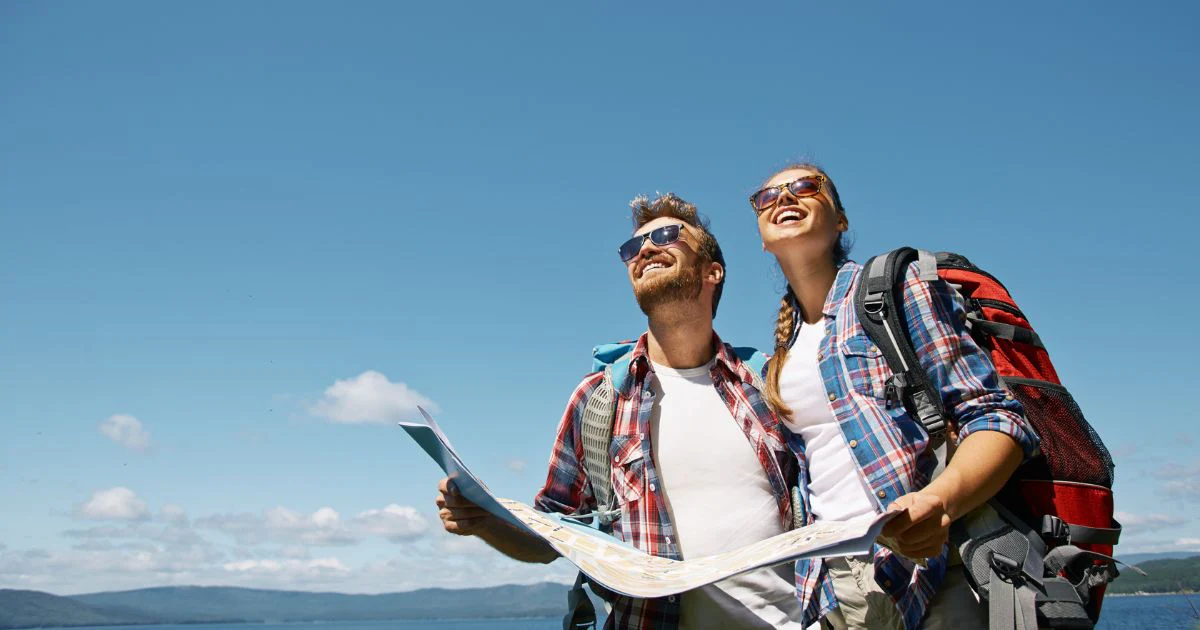
Travel is more than just a means to escape daily routines; it is a profound experience that transforms perspectives, deepens cultural understanding, and ignites personal growth. Whether exploring bustling cities, remote landscapes, or historic landmarks, travel allows individuals to connect with the world in ways that extend beyond simple sightseeing. In this article, we explore the multifaceted dimensions of travel, including its cultural, psychological, and economic impacts, and provide actionable insights for meaningful journeys.
Understanding the Essence of Travel
Travel involves moving from one location to another, often over long distances, but its significance goes far beyond physical relocation. Modern travel encompasses:
- Experiential learning: Engaging with local customs, cuisine, language, and traditions.
- Personal enrichment: Challenging comfort zones and expanding worldviews.
- Environmental and historical awareness: Understanding ecological systems, heritage sites, and conservation efforts.
Unlike short-term recreation, travel can be a deliberate act of discovery, where individuals gain insights into humanity, nature, and themselves. For example, exploring eco-tourism destinations not only provides adventure but also teaches travelers about sustainable practices and the delicate balance of ecosystems.
Cultural Immersion and Connection
One of the most profound aspects of travel is cultural immersion. Experiencing a new culture first-hand allows travelers to:
- Understand societal norms and values: Visiting traditional festivals, art exhibitions, or local markets provides context for a community’s way of life.
- Enhance language skills: Communicating with locals in their native tongue fosters deeper interpersonal connections.
- Appreciate culinary diversity: Sampling authentic cuisine opens doors to a culture’s history, agricultural practices, and social structures.
For instance, participating in a Japanese tea ceremony offers insight into the country’s philosophy of mindfulness and ritual, while exploring street food markets in Mexico unveils centuries-old culinary traditions.
Psychological Benefits of Travel
Travel is not just a physical journey but a mental and emotional one. Numerous studies have shown that exploring new environments can improve mental health and cognitive function:
- Stress reduction: Exposure to nature, beaches, or serene landscapes reduces cortisol levels and promotes relaxation.
- Creativity enhancement: Experiencing unfamiliar environments and problem-solving in new contexts boosts creative thinking.
- Improved empathy: Engaging with diverse cultures cultivates emotional intelligence and perspective-taking.
Long-term travelers often report enhanced resilience and adaptability, skills that are transferable to personal and professional life.
Economic and Societal Impacts
Travel has far-reaching effects on local and global economies. Tourism supports millions of jobs, from hospitality and transportation to artisan crafts and guided tours. Key considerations include:
- Sustainable tourism: Responsible travel ensures that local economies benefit without compromising environmental or cultural integrity.
- Community involvement: Supporting small businesses, local guides, and eco-friendly accommodations empowers communities.
- Infrastructure development: Increased travel often drives improvements in transportation, healthcare, and communication systems in host regions.
Countries that actively invest in tourism infrastructure, while preserving cultural heritage, experience sustained economic growth and global visibility.
Types of Travel Experiences
Travel can be categorized into various experiential types, each offering unique opportunities for exploration and learning:
Adventure Travel
Adventure travel appeals to thrill-seekers and outdoor enthusiasts. Activities may include:
- Hiking through mountainous terrains
- Scuba diving in coral reefs
- Rock climbing or paragliding
- Safari expeditions in natural reserves
These journeys often require preparation, physical endurance, and a spirit of risk-taking, providing both exhilaration and personal achievement.
Cultural and Historical Travel
Exploring historical sites, museums, and ancient cities allows travelers to connect with humanity’s past. Examples include:
- Walking through the ruins of Machu Picchu in Peru
- Touring the palaces and temples of Rajasthan, India
- Visiting the historic neighborhoods of Istanbul, Turkey
Such experiences offer context to human development, art, architecture, and philosophy, enriching travelers’ understanding of global history.
Eco-Tourism
Eco-tourism prioritizes conservation and sustainable practices. Travelers engage with environments in ways that:
- Minimize ecological impact
- Educate about local flora and fauna
- Support conservation initiatives
Examples include volunteering at wildlife sanctuaries or participating in marine conservation programs, blending leisure with environmental stewardship.
Luxury Travel
Luxury travel focuses on comfort, convenience, and curated experiences. Key aspects include:
- Five-star accommodations and fine dining
- Personalized itineraries with exclusive access
- Wellness retreats emphasizing mental and physical well-being
While often perceived as indulgent, luxury travel can also provide immersive experiences with meticulous planning and attention to cultural authenticity.
Planning for a Meaningful Travel Experience
Travel is most impactful when it is intentional and well-planned. Essential steps include:
- Research and cultural understanding: Learn about local customs, language, and etiquette to respect host communities.
- Budgeting and logistics: Optimize transportation, accommodation, and activity costs for efficiency.
- Health and safety: Prepare vaccinations, travel insurance, and emergency plans for peace of mind.
- Sustainable choices: Prioritize eco-friendly accommodations, responsible wildlife interactions, and minimal plastic use.
Additionally, integrating local experiences over generic tourist attractions can lead to deeper insights and more memorable moments.
Technology and Modern Travel
Advances in technology have transformed how people explore the world:
- Navigation and planning apps: GPS, travel guides, and itinerary planners streamline journeys.
- Social platforms and travel communities: Travelers exchange tips, reviews, and recommendations.
- Virtual reality previews: VR allows virtual exploration of destinations before committing to travel, enhancing planning and expectations.
While technology provides convenience, mindful travelers balance digital tools with real-world immersion to preserve authenticity.
Travel Ethics and Responsible Exploration
Responsible travel emphasizes respect for people, culture, and the environment. Core principles include:
- Cultural sensitivity: Dress appropriately, follow local customs, and seek permission for photography.
- Environmental stewardship: Avoid littering, respect wildlife, and limit carbon footprint.
- Economic responsibility: Support local businesses and avoid exploitative practices.
Ethical travelers recognize that their choices impact host communities and ecosystems, ensuring that travel benefits both themselves and the destinations they visit.
Conclusion
Travel is a powerful vehicle for transformation, offering educational, psychological, cultural, and economic benefits. By embracing intentional, responsible, and immersive experiences, travelers can forge meaningful connections with people, places, and themselves. From adventure seekers to culture enthusiasts, the journey is as enriching as the destination, providing lifelong memories, lessons, and inspiration.
Frequently Asked Questions (FAQs)
What is the best way to immerse oneself in a new culture while traveling?
Participate in local traditions, festivals, and workshops. Engage with locals through guided tours, language classes, or community volunteering to gain authentic insight.
How can travel improve mental health?
Travel reduces stress by breaking routine, providing exposure to nature, and offering opportunities for personal growth, creativity, and emotional resilience.
What are eco-friendly travel practices?
Eco-friendly travel involves minimizing waste, choosing sustainable accommodations, supporting local conservation projects, and respecting wildlife habitats.
How do I balance adventure and safety during travel?
Plan carefully, research risks, use proper equipment, follow guidelines from local authorities, and purchase travel insurance to mitigate hazards.
Can luxury travel also be sustainable and culturally authentic?
Yes. Many luxury experiences now emphasize responsible tourism, curated cultural immersion, and eco-conscious accommodations.
How does travel contribute to local economies?
Travel stimulates spending in hospitality, transportation, entertainment, and artisan industries, creating employment opportunities and supporting community development.
What are the key planning steps for a meaningful travel experience?
Research the destination, budget carefully, prioritize cultural and eco-conscious choices, ensure health and safety, and plan experiences that promote learning and personal growth.
