

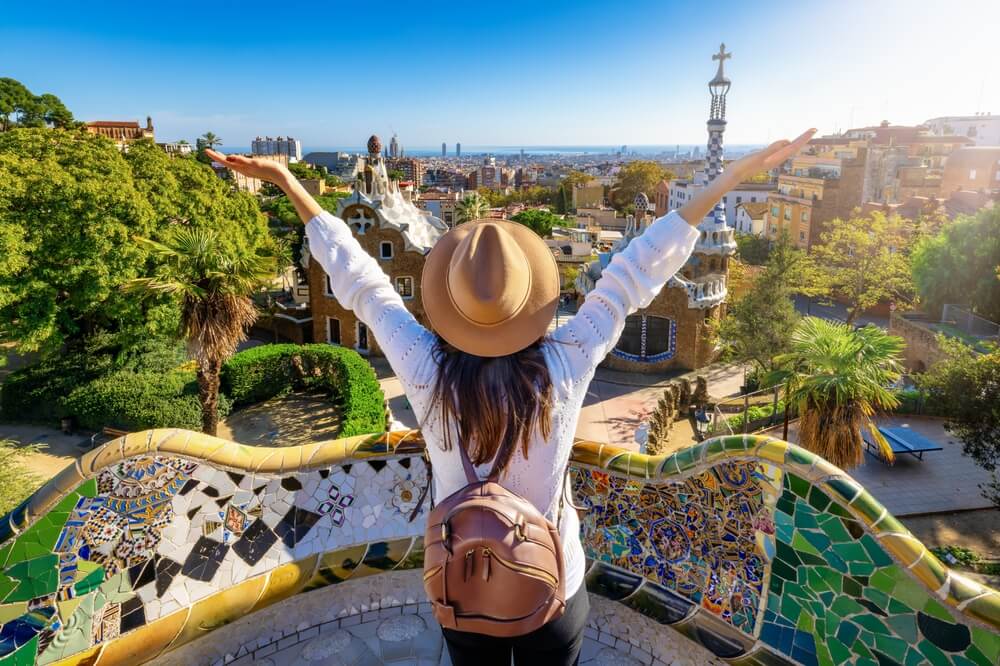
Travel has shifted dramatically over the past decade. Modern explorers are no longer satisfied with surface-level sightseeing or rigid tour schedules. Instead, they seek meaningful experiences, flexibility, and responsible choices. Technology, environmental awareness, and changing lifestyles are shaping how people plan and experience journeys today.
Below are the most influential travel trends redefining the way we explore the world.
Sustainable and Regenerative Travel
Sustainability has evolved from a niche preference to a mainstream priority. Modern travelers increasingly consider their environmental footprint before booking flights, hotels, or tours.
Key Features of This Trend
- Choosing eco-certified accommodations
- Supporting local businesses and communities
- Reducing plastic usage and carbon emissions
- Participating in conservation or volunteer projects
Beyond sustainability, a growing number of explorers are embracing regenerative travel, which focuses on leaving destinations better than they found them. This may include funding community-led tourism initiatives or engaging in habitat restoration programs.
Digital Nomadism and Remote Work Travel
The rise of remote work has untethered professionals from traditional offices. Many are taking advantage of this flexibility to work from different cities—or countries—throughout the year.
Why It’s Growing
- Broader acceptance of remote and hybrid jobs
- Affordable co-living and co-working spaces
- Special digital nomad visas introduced by multiple countries
- Reliable global internet infrastructure
Modern explorers blend productivity with discovery, spending weeks or months immersed in new cultures while maintaining their careers.
Slow Travel and Deeper Cultural Immersion
Fast-paced itineraries are giving way to slow travel, where quality outweighs quantity. Instead of hopping between multiple cities in a week, travelers spend extended time in one location.
What Slow Travel Emphasizes
- Learning local languages and customs
- Staying in neighborhood accommodations
- Using trains or regional transport instead of frequent flights
- Participating in authentic community experiences
This approach encourages stronger cultural understanding and reduces environmental impact.
Wellness-Centered Getaways
Modern explorers are prioritizing mental and physical well-being during their travels. Wellness tourism has expanded far beyond spa vacations.
Popular Wellness Experiences
- Yoga and meditation retreats
- Nature-based healing such as forest bathing
- Digital detox retreats
- Nutrition and mindfulness workshops
Travel is increasingly seen as an opportunity for personal renewal, not just recreation.
Technology-Enhanced Travel Planning
Technology has streamlined nearly every stage of travel. From booking to navigation, digital tools help travelers make smarter decisions.
Innovations Driving This Trend
- AI-powered itinerary builders
- Mobile boarding passes and biometric airport systems
- Real-time translation apps
- Virtual reality previews of destinations
Modern explorers value convenience and personalization. Technology makes travel smoother while offering greater control over the experience.
Off-the-Beaten-Path Destinations
Overtourism has prompted travelers to seek lesser-known alternatives. Rather than visiting the most photographed landmarks, many are opting for underrated regions and smaller cities.
Benefits of Exploring Hidden Gems
- More authentic local interactions
- Reduced crowds
- Lower travel costs
- Less environmental strain on popular attractions
This shift spreads economic benefits to emerging destinations and provides travelers with distinctive stories.
Experience-Driven Adventures
Modern travel emphasizes moments over material souvenirs. Travelers want experiences that challenge, educate, or inspire them.
Examples of Experience-Focused Travel
- Culinary tours with local chefs
- Wildlife conservation safaris
- Adventure sports such as diving or paragliding
- Hands-on workshops in arts and crafts
The value of travel today lies in memories and transformation, not just destinations.
Multi-Generational and Personalized Travel
Families are increasingly traveling together across generations. Grandparents, parents, and children are sharing extended vacations tailored to diverse interests.
Personalization Trends
- Custom-built itineraries
- Private guided tours
- Accommodation designed for larger family groups
- Flexible pacing for different age groups
Personalization ensures that each traveler—regardless of age—feels engaged and included.
FAQs
1. How is sustainable travel different from traditional tourism?
Sustainable travel prioritizes minimizing environmental impact and supporting local communities, whereas traditional tourism often focuses primarily on convenience and entertainment without long-term ecological considerations.
2. What is regenerative tourism?
Regenerative tourism goes beyond reducing harm. It aims to actively improve destinations by supporting conservation efforts, restoring ecosystems, and strengthening local economies.
3. Why is slow travel becoming more popular?
Many travelers seek deeper cultural connections and reduced stress. Staying longer in one location allows for authentic engagement and a more relaxed pace.
4. Are digital nomad visas widely available?
Yes, many countries now offer specialized visas that allow remote workers to stay legally for extended periods while working for foreign employers.
5. How can technology improve the travel experience?
Technology simplifies planning, enhances safety, provides language assistance, and delivers personalized recommendations based on user preferences.
6. What types of destinations are considered off-the-beaten-path?
These are locations that receive fewer tourists than major global hotspots. They may include rural regions, smaller cities, or emerging travel markets.
7. Is wellness travel only for luxury travelers?
No. While luxury retreats exist, wellness travel can also include affordable options such as local yoga classes, nature hikes, meditation workshops, and community-based health experiences.
