

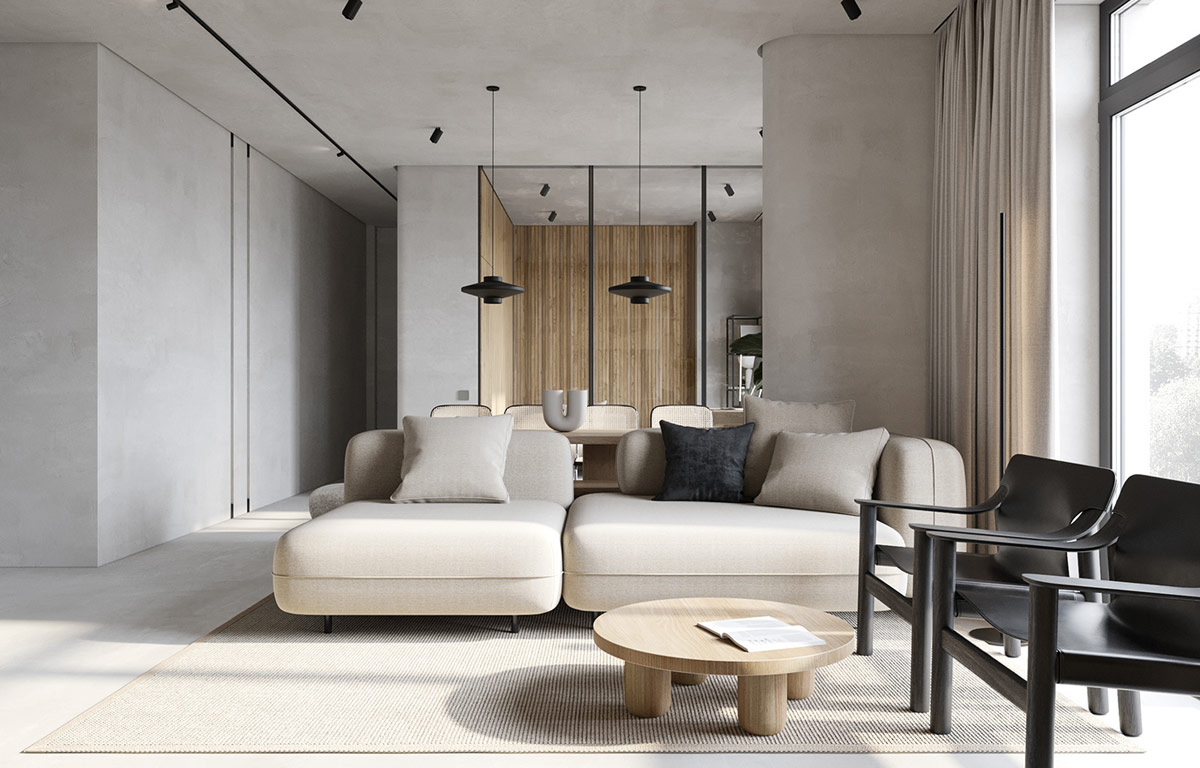
Many assume that microcement is limited in its applications, yet contemporary interior design trends demonstrate its exceptional versatility and elegance. Today, microcement seamlessly transforms open-plan living areas, offering a cohesive and spacious aesthetic, while innovative colour palettes allow for personalized and striking finishes. Its remarkable durability makes it ideal for high-traffic zones, and when paired with natural materials like wood and stone, it creates uniquely sophisticated interiors. Additionally, microcement supports sustainable design practices with eco-friendly options and excels in moisture-prone spaces such as bathrooms and kitchens. These advancements highlight why microcement is rapidly becoming a preferred choice for stylish, resilient, and environmentally conscious home transformations.
Integrating Microcement in Open-Plan Living Areas
Transforming an open-plan living space with microcement can drastically enhance the sense of spaciousness and improve the overall flow between areas. Imagine a sleek living room seamlessly transitioning into a modern kitchen, where the continuous microcement surface eliminates visual barriers and creates a harmonious environment. This material’s versatility allows for creative design solutions that cater to both aesthetic appeal and functional practicality.
Take, for example, the recent renovation project in London where microcement was used to unify the living and dining areas. The result was a cohesive, elegant space that felt both expansive and inviting. By applying different textures and finishes, the designers were able to delineate zones without disrupting the open layout. This case study highlights how microcement can be a game-changer in achieving a balanced and stylish open-plan design, providing homeowners with endless possibilities to customize their interiors.
Moreover, the durability and easy maintenance of microcement make it an ideal choice for high-traffic open-plan areas. Its resistance to stains and scratches ensures that the space remains pristine with minimal upkeep, allowing residents to enjoy a beautiful, low-maintenance environment. Embracing microcement in open-plan living areas not only elevates the aesthetic but also enhances the functionality of modern homes.
Need microcement? ➔ CHECK OUT FESTFLOOR SHOP
Innovative Colour Trends for Microcement Finishes
When it comes to microcement, the colour palette is evolving faster than ever. Designers are ditching the traditional greys and whites, opting instead for bold and unexpected hues that make a statement. Think deep navy in kitchens or vibrant terracotta in bathrooms. These daring choices not only add personality but also enhance the interior aesthetics of any space.
| Trending Colour | Ideal Room Setting |
| Matte Navy | Kitchens and Feature Walls |
| Warm Terracotta | Bathrooms and Living Areas |
| Soft Sage Green | Bedrooms and Offices |
Take the Case Study of a recent London loft renovation where matte navy microcement floors paired with sleek stainless steel appliances created a striking modern kitchen. Or consider a serene bedroom transformed with soft sage green microcement walls, offering a perfect blend of tranquility and style. These examples highlight how the right colour can completely redefine a space, making microcement not just a practical choice, but a pivotal design element.
Enhancing Durability in High-Traffic Zones with Microcement
High-traffic areas like hallways and entryways demand surfaces that can withstand constant use without losing their charm. Microcement rises to the challenge, offering a seamless and resilient finish that endures the rigors of daily movement. Its flexible nature allows it to absorb impacts and resist cracking, making it an ideal choice for spaces that see a lot of footfall.
Consider the case of a bustling family home where the entryway is subject to heavy use. By applying microcement, the homeowners achieved a sleek, modern look that remains pristine despite daily wear and tear. The material’s abrasion resistance ensures that scratches and scuffs are minimized, while its waterproof properties protect against spills and moisture. Additionally, the ease of maintenance means that cleaning becomes a hassle-free task, preserving the area’s aesthetic appeal over time.
- High abrasion resistance for lasting surfaces
- Waterproof properties prevent moisture damage
- Seamless application reduces maintenance efforts
- Flexible material resists cracking and impacts
Combining Microcement with Natural Materials for Unique Interiors
When it comes to creating distinctive interiors, the fusion of microcement with natural materials like wood, stone, and metal can take your space from ordinary to extraordinary. Imagine the sleekness of microcement floors seamlessly blending with the warm texture of a reclaimed timber feature wall. This combination not only adds visual interest but also enhances the tactile experience, making your interiors feel both modern and inviting.
A standout case study is the recent renovation of a London loft, where microcement countertops paired with raw granite accents transformed the kitchen into a chic, industrial haven. Another example is a coastal home where microcement bathrooms harmonised with natural stone tiles, creating a serene and luxurious retreat. These integrations highlight how microcement’s versatility can complement and elevate the inherent beauty of natural materials, resulting in unique and personalised living spaces.
Don’t be afraid to experiment with metal elements alongside microcement. Stainless steel fixtures or copper accents can introduce a touch of industrial elegance, while also providing a striking contrast to the smooth, matte finish of microcement surfaces. This bold approach not only enhances the aesthetic appeal but also showcases the enduring appeal of combining modern and natural textures in interior design.
Sustainable Design Practices Using Eco-Friendly Microcement
Microcement is revolutionising the world of sustainable interior design. Its environmentally friendly properties make it an excellent choice for designers looking to minimise their ecological footprint. By opting for microcement, you contribute to a greener planet through its low carbon footprint and reduced waste during production.
- Sustainable Production Methods: Microcement is produced using processes that prioritise energy efficiency and minimise resource consumption.
- Eco-Friendly Applications: Versatile in use, microcement can be applied to floors, walls, and furniture, eliminating the need for multiple materials and reducing overall waste.
- Longevity and Durability: Its exceptional durability means fewer renovations and replacements, leading to long-term environmental benefits.
Embracing eco-friendly microcement not only enhances the aesthetic appeal of your spaces but also aligns with the growing demand for sustainable building materials. Recent studies indicate that using sustainable materials like microcement can decrease a building’s carbon footprint by up to 30%, making it a smart and responsible choice for forward-thinking interior designers.
Transforming Wet Areas: Microcement in Bathrooms and Kitchens
Say goodbye to outdated tiles and hello to sleek, seamless surfaces with microcement in your bathroom and kitchen. Unlike traditional materials, microcement offers a water-resistant solution that not only looks fantastic but also stands up to the daily grind of moisture-prone environments. Whether you’re revamping a cramped kitchenette or a luxurious ensuite, microcement adapts effortlessly, providing a modern aesthetic without the hassle of grout lines.
Consider the difference it makes: a bathroom transformed from cluttered tiles to a unified, matte finish that feels both spacious and stylish. Installation is a breeze for professionals, with minimal downtime for homeowners. Maintenance? A simple wipe-down keeps surfaces looking pristine, eliminating the need for constant scrubbing. Check out the comparison below to see how microcement stacks up against traditional tiling:
| Feature | Traditional Tiling | Microcement |
| Installation Time | 2-5 days with grout drying time | 1-2 days with seamless finish |
| Maintenance | Regular grout cleaning to prevent mould | Easy wipe-down, no grout issues |
| Water Resistance | Requires waterproofing layers | Inherently water-resistant |
| Aesthetic Flexibility | Limited to tile shapes and sizes | Endless design possibilities with smooth surfaces |
Embracing microcement is more than a trend—it’s a smart investment in durability and style for your wet areas. Dive into a world where functionality meets contemporary design, and watch your spaces come alive with the versatile charm of microcement.
