

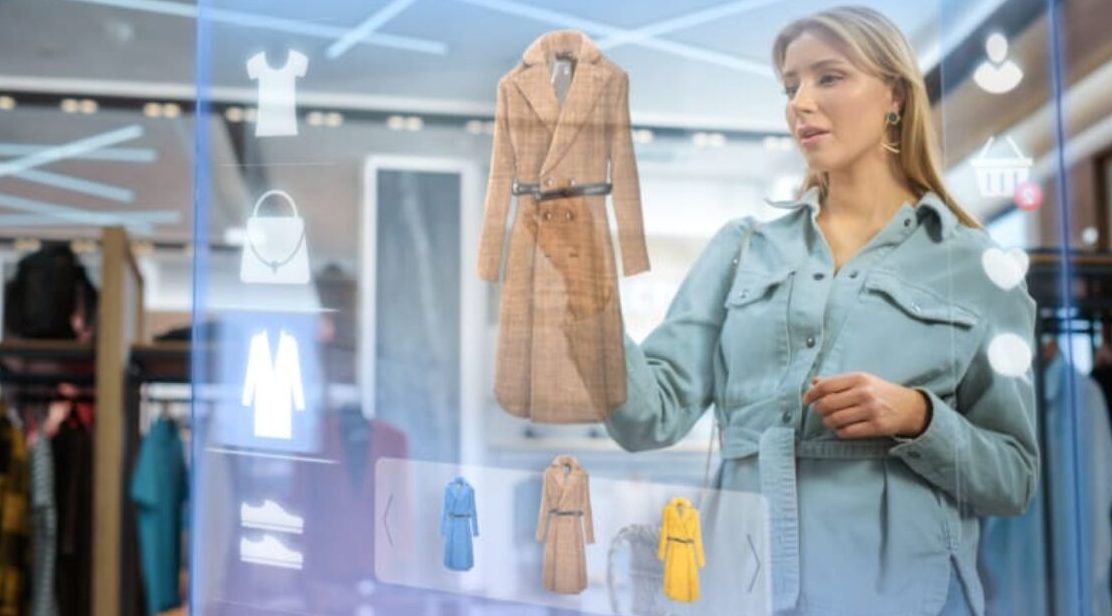
Fashion is no longer shaped solely by fabric and craftsmanship. It is increasingly driven by data, automation, sustainability science, and immersive digital tools. As global consumers demand personalization and eco-conscious production, brands are turning to advanced technologies to transform how clothing is designed, manufactured, marketed, and worn.
Below are the most important fashion technology innovations redefining the industry.
1. Smart Fabrics and Wearable Technology
Textiles are evolving beyond aesthetics. Smart fabrics now integrate electronic components directly into the material, allowing garments to collect, process, and transmit data.
Key Developments
-
Health-monitoring clothing that tracks heart rate, posture, or muscle activity
-
Temperature-regulating fabrics that adjust to body heat
-
UV-detecting materials for sun protection
-
Athletic wear with biometric feedback systems
These innovations are particularly impactful in sportswear, healthcare, and performance apparel. Unlike traditional wearables such as wristbands, smart garments distribute sensors seamlessly across the body for improved accuracy and comfort.
2. Artificial Intelligence in Fashion Design
Artificial Intelligence (AI) is transforming both creative and operational processes.
How AI Is Used
-
Trend forecasting using real-time consumer data
-
Automated pattern generation and digital prototyping
-
Personalized styling recommendations
-
Demand prediction to reduce overproduction
AI-driven design tools allow brands to simulate garments digitally before physical production. This reduces sampling waste and accelerates time-to-market. Smaller labels also benefit, gaining access to predictive insights that were once exclusive to large corporations.
3. 3D Printing and On-Demand Manufacturing
3D printing is enabling designers to create complex, sculptural garments with minimal material waste.
Why It Matters
-
Reduced excess inventory
-
Rapid prototyping and customization
-
Localized production models
-
Intricate designs impossible with traditional stitching
On-demand manufacturing aligns production closely with consumer demand. Instead of mass-producing seasonal stock, brands can create items only after orders are placed, significantly cutting unsold inventory.
4. Virtual Try-Ons and Augmented Reality
E-commerce continues to dominate fashion retail, but fit and visualization remain challenges. Augmented Reality (AR) and Virtual Try-On (VTO) technologies are bridging this gap.
Consumer Benefits
-
Real-time digital fitting via smartphone cameras
-
Accurate size recommendations using body-scanning algorithms
-
Reduced return rates
-
Improved online shopping confidence
Retailers integrating AR report stronger engagement and lower operational losses from returns. As camera and AI accuracy improve, virtual fitting rooms are becoming increasingly reliable.
5. Sustainable Material Innovation
Sustainability is no longer optional. Textile innovation is now heavily focused on environmental responsibility.
Emerging Materials
-
Bio-fabricated leather alternatives made from fungi or plant fibers
-
Recycled ocean plastics converted into polyester yarn
-
Lab-grown fibers with lower carbon footprints
-
Waterless dyeing technologies
These advancements reduce water consumption, chemical use, and carbon emissions. In addition, blockchain tracking systems are being introduced to improve transparency in supply chains.
6. Digital Fashion and the Metaverse
Digital-only clothing is emerging as a new revenue stream. Consumers purchase garments designed solely for online avatars or social media imagery.
Why Digital Fashion Is Growing
-
No physical waste
-
Instant global distribution
-
Creative freedom beyond physical constraints
-
Integration with gaming and virtual platforms
Luxury brands are exploring NFT-based ownership models and limited-edition digital collections, creating scarcity in virtual environments.
7. Robotics and Automation in Manufacturing
Advanced robotics are improving precision and reducing labor-intensive processes.
Industrial Impact
-
Automated sewing systems
-
AI-powered quality control inspections
-
Robotic cutting to reduce textile waste
-
Faster production cycles
Automation increases consistency while enabling reshoring of manufacturing to higher-cost regions through efficiency gains.
8. Smart Supply Chain and Blockchain Transparency
Consumers increasingly want to know where their clothes come from. Blockchain solutions create immutable digital records that verify sourcing, labor conditions, and environmental impact.
Key Advantages
-
Authenticity verification for luxury goods
-
Transparent ethical sourcing
-
Counterfeit prevention
-
Real-time inventory tracking
This level of traceability builds trust and strengthens brand credibility.
The Future Outlook
Fashion technology is converging across multiple disciplines: material science, artificial intelligence, digital media, and robotics. The most competitive brands will be those that combine innovation with sustainability and personalization.
Rather than replacing creativity, technology is expanding it. Designers now have access to tools that amplify imagination while solving long-standing industry challenges such as waste, inefficiency, and lack of transparency.
The next decade will likely see a hybrid ecosystem where digital and physical fashion coexist, supply chains become fully traceable, and garments function as interactive devices.
Frequently Asked Questions (FAQ)
1. How does fashion technology reduce environmental impact?
Technologies such as on-demand production, AI forecasting, and sustainable materials reduce overproduction, waste, and resource consumption.
2. Are smart clothes safe to wear?
Most smart garments use low-voltage electronics and flexible conductive materials designed for safe, everyday use. Safety standards continue to evolve alongside innovation.
3. Will AI replace fashion designers?
AI supports designers by analyzing trends and automating repetitive tasks, but creative direction and aesthetic judgment remain human-driven.
4. What industries benefit most from wearable fashion tech?
Sports, healthcare, military applications, and performance apparel currently see the most significant benefits from wearable innovations.
5. Is digital fashion profitable?
Yes. Digital garments eliminate manufacturing costs and inventory risk while creating new monetization opportunities in gaming and social platforms.
6. How does blockchain improve fashion transparency?
Blockchain records each step of production in a secure digital ledger, allowing consumers to verify sourcing and authenticity.
7. What role does 3D printing play in customization?
3D printing allows brands to produce customized garments tailored to specific measurements or design preferences without traditional manufacturing constraints.
