

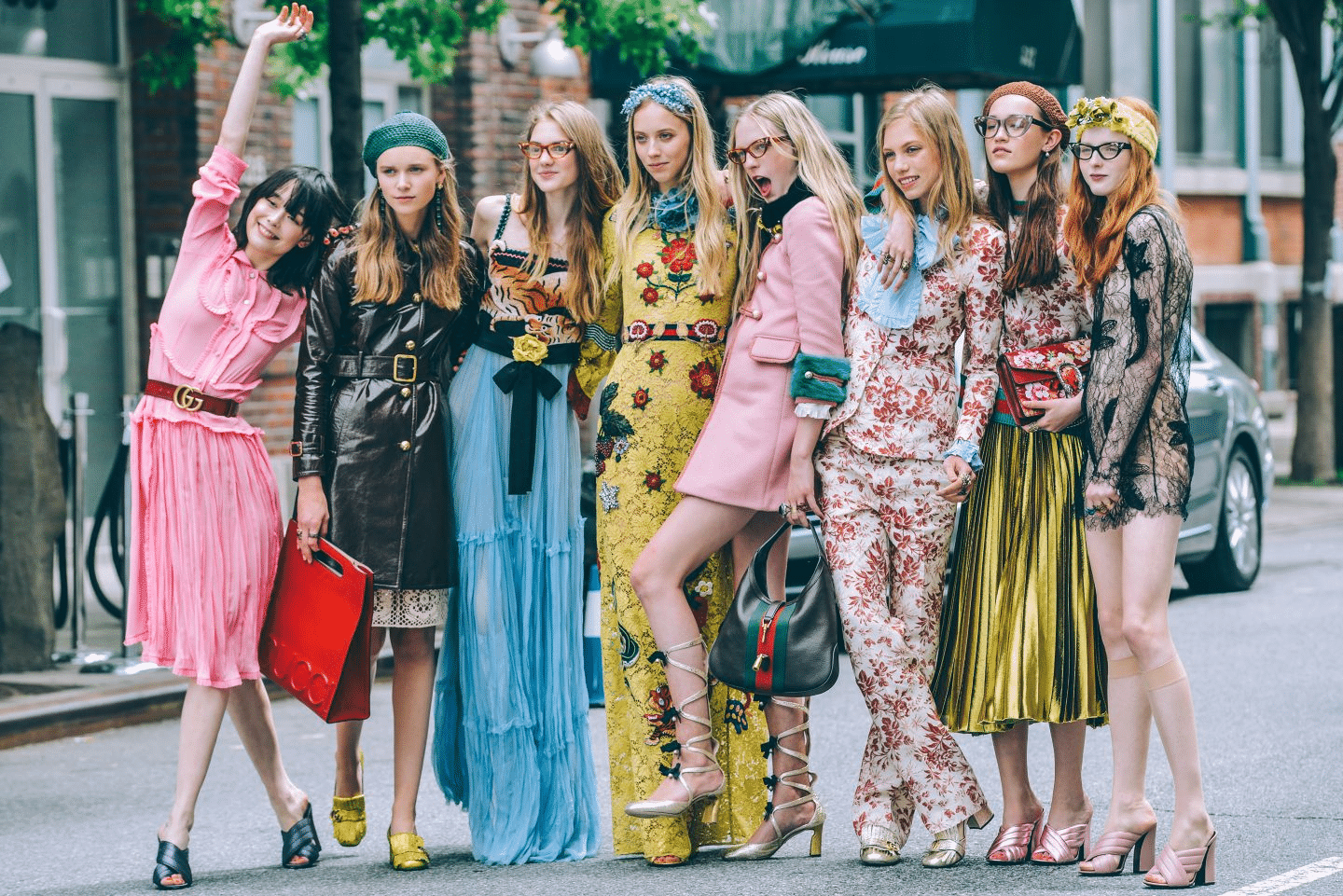
Fashion is a multifaceted form of expression that transcends clothing, reflecting social identity, cultural trends, and technological innovation. It is both an industry and a personal statement, influencing global economies, cultural narratives, and individual self-expression. From couture runways to streetwear, fashion serves as a lens through which society communicates values, aspirations, and innovation. This article provides an in-depth exploration of fashion, tracing its history, analyzing its cultural and economic impact, and examining contemporary and future trends.
The Historical Evolution of Fashion
Fashion has continuously evolved, shaped by social structures, technological advancements, and cultural movements:
- Ancient Civilizations: Clothing served as a marker of status, occupation, and cultural identity. Egyptian linen garments denoted social hierarchy, while Roman togas indicated citizenship and political rank.
- Medieval and Renaissance Periods: Fashion became highly symbolic, with elaborate fabrics, embroidery, and colors reflecting wealth and influence. Tailoring techniques advanced, emphasizing the interplay of structure and aesthetics.
- Industrial Revolution: Mass production and mechanized textile manufacturing democratized fashion. Standardized sizing and ready-to-wear collections allowed middle-class populations to participate in emerging trends.
- 20th Century Transformations: Fashion experienced rapid shifts influenced by cinema, music, global conflicts, and technological innovation. Designers introduced ready-to-wear collections, synthetic fabrics, and branding strategies that redefined consumer engagement.
- 21st Century Globalization: Digital media, e-commerce, and cross-cultural influences accelerated trend cycles. Social media platforms allow global audiences to interact with fashion instantaneously, influencing both consumer behavior and production strategies.
Fashion’s historical evolution highlights its dual role as a reflection of societal change and a driver of cultural innovation.
Cultural Significance of Fashion
Fashion operates as a powerful vehicle for cultural expression and identity:
Identity and Personal Expression
Clothing and style communicate aspects of personality, status, and cultural affiliation:
- Individual Style: Choices in color, silhouette, and accessories convey personality traits and emotional states.
- Subcultural Signifiers: Punk, hip-hop, goth, and other movements utilize fashion to establish community and convey ideological identity.
- Professional and Ceremonial Contexts: Corporate attire, uniforms, and formal garments signal expertise, authority, and situational appropriateness.
Social Commentary
Fashion often serves as a medium for societal critique and commentary:
- Political Statements: Clothing has historically conveyed protest and advocacy, such as suffragette colors or modern activist attire.
- Gender Fluidity: Androgynous designs challenge traditional norms and foster inclusivity.
- Cultural Preservation: Traditional garments like kimonos, saris, and kilts maintain heritage while influencing contemporary designs.
By merging aesthetics with narrative, fashion reflects collective social consciousness and drives discourse.
Structure of the Fashion Industry
The fashion industry encompasses a complex ecosystem of design, production, marketing, and retail:
Design and Creative Innovation
Designers conceptualize trends that merge artistry with functionality:
- Trend Forecasting: Predicts upcoming colors, patterns, and silhouettes through research and cultural analysis.
- Sustainable Design: Integrates eco-friendly fabrics and circular fashion principles to minimize environmental impact.
- Technical Innovation: Incorporates advanced textiles, wearable technology, and 3D printing into collections.
Manufacturing and Supply Chains
Production strategies determine quality, efficiency, and ethical responsibility:
- Material Sourcing: Natural fibers like cotton, wool, and silk coexist with synthetic materials such as polyester and nylon.
- Production Methods: Balances artisanal craftsmanship with scalable manufacturing for mass-market collections.
- Global Supply Networks: Outsourcing and international logistics reduce costs but raise considerations for labor standards and environmental sustainability.
Retail and Distribution
Fashion reaches consumers through integrated channels:
- Physical Stores: Provide tactile experiences, brand immersion, and direct interaction with products.
- Digital Platforms: E-commerce expands reach and convenience, offering diverse selections globally.
- Omni-Channel Approaches: Seamlessly integrate online, mobile, and in-store experiences to optimize customer engagement.
Marketing and Branding
Marketing strategies shape brand perception and consumer loyalty:
- Social Media Influence: Platforms like Instagram and TikTok enable influencer-driven trends and rapid dissemination of styles.
- Narrative Campaigns: Storytelling communicates brand heritage, sustainability initiatives, and lifestyle alignment.
- Experiential Engagement: Pop-up shops, runway shows, and immersive campaigns enhance consumer interaction beyond transactional experiences.
Contemporary Fashion Trends
Fashion trends are increasingly influenced by sustainability, technology, and inclusivity:
Sustainable and Ethical Fashion
Environmental consciousness drives changes in production and consumption:
- Eco-Friendly Fabrics: Organic cotton, recycled polyester, and biodegradable materials reduce ecological footprints.
- Circular Fashion Models: Resale, rental, and upcycling extend the life cycle of garments.
- Transparency and Accountability: Brands disclose sourcing, labor practices, and environmental impact to meet consumer expectations.
Streetwear and Cultural Influence
Streetwear merges casual aesthetics with cultural statements:
- Designer Collaborations: Luxury brands partner with streetwear labels to reach new audiences.
- Sneaker Culture: Sneakers have become symbols of status, investment, and identity.
- Digital Communities: Online platforms amplify trend creation and peer influence.
Technology-Integrated Fashion
Technological innovation enhances design, functionality, and consumer experience:
- Wearable Tech: Smart fabrics, health monitors, and connected clothing integrate fashion with utility.
- Virtual Fashion: Digital garments and virtual runway experiences allow experimentation and immersive engagement.
- AI and Data Analytics: Machine learning predicts consumer preferences, optimizes inventory, and personalizes marketing campaigns.
Inclusive and Gender-Neutral Fashion
Inclusivity reshapes both design philosophy and market strategy:
- Androgynous Collections: Challenge traditional gender norms and increase versatility.
- Adaptive Clothing: Designs accommodate individuals with disabilities, enhancing accessibility.
- Expanded Sizing: Inclusive ranges reflect diverse body types and improve consumer satisfaction.
Economic and Social Impact of Fashion
Fashion exerts significant influence on both economies and cultural dynamics:
- Employment Generation: The industry supports millions of jobs across design, production, marketing, and retail.
- Cultural Exportation: National identities are projected globally through fashion, enhancing tourism and international branding.
- Innovation Catalyst: Advances in textiles, materials, and production often influence adjacent industries.
- Consumer Behavior: Fashion drives spending, lifestyle choices, and social engagement.
Challenges in the Fashion Industry
Despite growth, fashion faces complex challenges:
- Environmental Concerns: High water usage, chemical pollution, and textile waste pose sustainability risks.
- Labor Ethics: Low wages, unsafe working conditions, and exploitation persist in some regions.
- Overproduction and Trend Saturation: Rapid cycles can reduce profit margins and contribute to environmental waste.
- Consumer Expectations: Modern buyers demand transparency, ethical standards, and sustainable practices.
Addressing these challenges requires innovation, regulation, and consumer education.
Best Practices in Fashion and Personal Style
Engaging with fashion strategically enhances expression and sustainability:
- Invest in Quality: Prioritize durable, versatile pieces over fast-fashion items.
- Support Ethical Brands: Choose companies committed to labor rights and environmental responsibility.
- Develop a Signature Style: Personalize clothing choices to reflect individuality and context.
- Stay Informed: Monitor emerging trends, technological innovations, and cultural influences.
Thoughtful engagement ensures fashion remains meaningful, responsible, and expressive.
Conclusion
Fashion is an intricate ecosystem that merges creativity, culture, and commerce. Its evolution reflects societal shifts, technological progress, and global interconnectedness. By understanding the historical context, industry structure, and emerging trends, individuals, designers, and brands can navigate fashion consciously and strategically. Beyond aesthetics, fashion represents cultural narratives, economic impact, and technological innovation, making it a vital force in modern society.
Frequently Asked Questions (FAQs)
How has fashion evolved historically?
Fashion has transitioned from status-symbol garments in ancient civilizations to mass production, digital innovation, and global trend dissemination in the 21st century.
Why is fashion significant in cultural expression?
Fashion communicates identity, subcultural affiliation, political statements, and heritage, serving as a reflection of societal values.
How is technology shaping contemporary fashion?
Wearable technology, virtual fashion, AI-driven design, and digital marketing enhance creativity, personalization, and operational efficiency.
What role does sustainability play in modern fashion?
Sustainable practices reduce environmental impact, promote ethical labor, and respond to consumer demand for responsible products.
What challenges does the fashion industry face today?
Environmental degradation, labor ethics concerns, overproduction, and consumer demand for transparency are key challenges.
How does fashion impact the economy?
The industry generates employment, drives innovation, influences consumer behavior, and supports cultural exports.
What are current trends influencing fashion?
Sustainable and ethical fashion, streetwear, technology integration, gender inclusivity, and size diversity are shaping contemporary fashion trends.
