

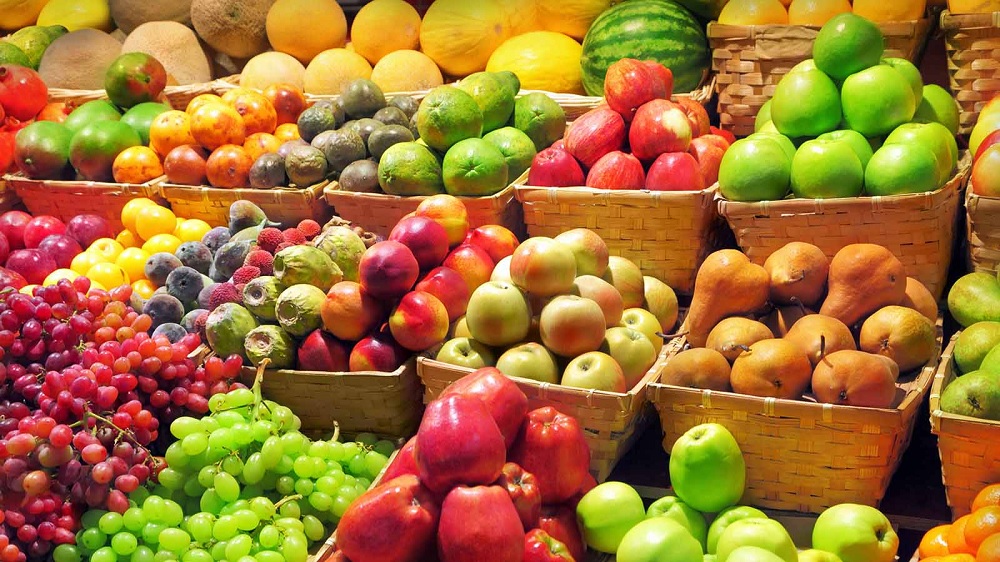
The moment a piece of fruit reaches its optimum ripeness is something cherished by orchard enthusiasts and casual growers alike, yet pinpointing that moment requires close observation, practical knowledge, and a keen sense of timing. In this article, we will delve into the process of harvesting ripe fruit for peak flavor, exploring the factors that influence fruit development, how to judge maturity, and how to handle and store your produce for the best possible taste.
A nursery specialist at ChrisBowers, who has spent years cultivating and studying the nuances of different fruit varieties, offers this advice: “The art of harvesting perfect fruit hinges on the grower’s ability to recognise the point at which each variety, whether apple, plum, or pear, has reached its flavour apex. A small window of time can determine whether the fruit you pick tastes merely acceptable or truly outstanding. By understanding your local conditions and the nature of the cultivar you are growing, you can maximise the quality of your harvest.” This succinct wisdom underscores the importance of timing and close attention when it comes to harvesting fruit. Some novices may feel tempted to pluck their produce as soon as it appears edible; however, different fruit trees have their own unique maturation schedules and specific signs of readiness that might not be obvious at a casual glance.
Below, we will explore in detail how to judge the right moment for picking, as well as the post-harvest handling that ensures the best possible experience of your homegrown produce. Whether you have a single apple tree in the corner of your garden or you are considering searching “fruit trees for sale” to expand your orchard, our insights will guide you through the many aspects of growing and harvesting fruit for peak flavor.
Learing more About Ripeness
Ripeness is influenced by various factors, including genetics, climate, and how well the fruit has been cultivated throughout the season. When fruit reaches the sweet spot of maturity, its sugars are at their highest concentration, acidity has mellowed to a pleasant tang, and the flesh has softened sufficiently to offer a satisfying texture. These elements combine to produce the flavourful bite that many growers aim to achieve. However, a piece of fruit that is under-ripe may taste acidic, starchy, or watery, while one that is overripe can become mushy and overly sweet, sometimes fermenting on the branch and attracting unwelcome pests and wildlife. Hence, identifying the right moment to harvest is key to maximising the benefits of your fruit trees.
British gardens typically see varying times of maturity depending on the type of fruit tree. Apples, for instance, might ripen in late summer or early autumn, though certain cultivars will be ready earlier or later than others. Pears can often seem mature on the outside while still remaining firm and starchy at the core if left to ripen entirely on the tree. Some orchardists actually pick pears before they have fully softened, allowing them to finish ripening indoors. Similarly, cherries and plums can vary greatly depending on local microclimates and how much sunshine they have received throughout the season.
Recognising that ripeness involves much more than just colour is crucial. Many gardeners rely on the changing hue of apples, for example, to gauge ripeness, not realising that some varieties retain a shade of green even when fully mature. Others may develop a rosy flush that does not necessarily equate to perfect sweetness. This complexity makes a close understanding of your particular fruit variety essential. Consulting local experts, visiting established orchards, or speaking with nursery specialists can help novices learn the cues for different cultivars.
The Science of Ripening
Ripening is triggered by a complex interplay of enzymes, plant hormones, and environmental factors. One of the primary drivers is ethylene, a natural plant hormone released by fruits as they approach maturation. Ethylene stimulates a cascade of chemical changes in the fruit, converting starches into sugars, altering pigment compositions, and affecting the firmness of the flesh. Once the process starts, it can progress rapidly, which is why some fruit, such as bananas or avocados, can be encouraged to ripen by placing them in a paper bag with apples that release high amounts of ethylene.
In orchard fruits, particularly apples and pears, the rate of ethylene production and sensitivity to the hormone can differ among varieties. Early cultivars might complete this transformation quickly, while late varieties can require a cool autumn stretch to develop their flavour fully. Temperature plays a major role here: cooler nights can slow the ripening process, whereas a string of warm days can push fruit to maturity sooner than anticipated. Paying attention to local weather patterns can therefore be critical in anticipating your harvest window.
When searching for fruit trees for sale, growers would do well to research the specific ripening behaviour of different cultivars, as well as the average ripening times in their region. A variety that suits one climate may develop a very different flavour profile in another environment with distinct weather conditions. Understanding these nuances is often what sets apart a brilliant harvest from a mediocre one, since the exact timing can be crucial for peak taste.
Timing Your Harvest
The best harvest time is not dictated solely by calendar date but rather by observing the fruit itself. Most orchardists adopt a careful, ongoing evaluation of their crop in the days or weeks leading up to the anticipated picking date. Gently lifting an apple in the palm of your hand and giving it a slight twist is a traditional approach. If it separates readily from the branch without much force, this is a strong indication of readiness. If it clings too resolutely, it may be best to wait a few more days.
The same principle applies to cherries and plums, though these smaller fruits can be slightly trickier to assess. With plums, gentle pressure can reveal if the flesh has begun to soften. If the fruit yields slightly under your fingers and exudes a fragrant aroma, you are more likely to be approaching peak flavour. Nonetheless, one must take care not to squeeze too hard, as plums bruise easily. Cherries, meanwhile, can be evaluated by their firmness and colour. Many sweet cherry varieties develop a deep hue when they are ripe, but tasting one or two is the simplest and most satisfying method of knowing if the time is right.
For pears, the process can be a bit more involved. Since many pear varieties do not fully soften on the tree, orchardists often rely on slight colour changes, the ease with which the stems detach, and taste tests. After being picked, pears can continue to ripen at room temperature over several days or even weeks, depending on the cultivar and storage conditions. This method, though requiring additional steps, can result in an exceptionally sweet and buttery fruit if timed correctly.
Observing Physical Cues
An in-depth knowledge of your fruit tree’s outward signs provides an advantage when searching for that perfect moment to harvest. Among the key visual and tactile cues are colour, firmness, size, aroma, and the condition of the tree itself. If you monitor your trees regularly, you will begin to notice subtle changes that may easily escape a more casual observer. For apples, a deepening skin tone around the stem or a noticeable shift in the background colour from bright green to a slightly yellowish tinge could be an indication. For peaches, you might observe a gradual softening and a fragrance that becomes especially pronounced near the stem end.
Alongside these direct observations, one should also consider the overall health and structure of the tree. If branches are weighed down heavily with fruit, the fruit may be approaching or has already reached maturity, especially if the variety is known for heavy cropping. However, do not assume that just because a branch is sagging, the entire crop is ripe. Some fruits on the outer edges of the canopy may receive more sunlight and become ready a bit earlier than those closer to the trunk. Sampling fruit from different parts of the tree can help you judge a uniform ripeness across the entire crop.
In addition, pay attention to any significant events that may have taken place earlier in the season, such as a sudden late frost or a prolonged drought, as these events can speed up or slow down a crop’s development. In certain cases, stress on a tree can cause early fruit drop or hasten ripening. Keeping a record of such incidents over the years can help you refine your harvesting strategy.
Climate and Microclimates
Britain’s temperate climate provides a generally favourable environment for a variety of fruit trees, from apples and pears to plums and apricots. Nevertheless, even within a relatively small region, microclimates can produce wide variations in ripening times. A sheltered garden might receive extra heat from sun-reflecting walls, whereas a windy site could remain cooler and postpone the ripening process. Understanding these miniature climate differences within your own plot can greatly enhance your ability to choose the right timing for harvest.
Growers in the northern parts of Britain or at higher elevations may find that their chosen varieties mature later in the season or that certain warmth-loving cultivars never reach their full potential if a chill sets in too early. Conversely, in milder southern counties, fruit trees might complete their cycle earlier, catching some orchardists off guard if they rely strictly on average national guidelines. Thus, while it is helpful to know typical harvest times published for each variety, nothing beats diligent observation and record-keeping in your own garden.
For those looking at fruit trees for sale to introduce new varieties, consider speaking with a local nursery specialist or gardening club about the microclimate in your area. By matching varieties to specific climatic conditions, you can increase the likelihood that your fruit will develop the best flavour possible under your care. You may also learn about novel pruning techniques or planting positions that can help mitigate challenging weather.
Tools and Techniques
During the harvest, the act of picking fruit can be as important as the timing. Certain fruits, like apples and pears, require a gentle twist and pull motion that minimises damage to the spur or branch, ensuring the tree remains healthy for subsequent years’ crops. Soft fruits such as peaches, plums, and apricots can bruise easily, which means handling them with care is paramount. If the tree is relatively tall, using a sturdy ladder or specialised picking pole can help you reach higher branches without bruising or shaking down unripe fruits.
Another useful technique, especially for orchardists with large crops, is sequential picking. Instead of harvesting an entire tree in one day, pick the fruits that appear ready over a series of days or weeks. This approach accounts for slight variations in ripening and can help you avoid the disappointment of discovering that some of the fruit had not yet reached its peak or had already gone past it. Large-scale apple growers have historically relied on sequential picking when dealing with big orchards, ensuring the final crates are filled only with fruits at their best.
If you have multiple varieties or plan on expanding your orchard, keep track of which ones ripen first and how their harvest times differ. Over time, you can plan your garden’s layout to stagger production, ensuring you have a steady supply of top-quality fruit throughout the season. If you discover any gaps in your harvest calendar, this might be the time to consider searching fruit trees for sale that fill in those missing ripening windows, providing a more continuous harvest from early summer all the way through late autumn.
Post-Harvest Care
Once you have picked your fruit, proper post-harvest handling ensures that its flavour and texture remain at their best. Some varieties, like certain cooking apples, may benefit from a short period of storage to develop a richer taste or a softer texture. Others, such as summer apples, are best consumed promptly after harvest, as their peak can be fleeting. The environment in which you store your fruits matters significantly: too warm, and they may over-ripen; too cold, and you risk altering their texture unfavourably, especially for fruit that is not meant for long-term storage.
Many British gardeners have found that a cool cellar or garage can serve as an adequate storage location if it remains relatively stable in temperature and humidity. Lining up apples on racks or placing them in shallow boxes allows you to spread them out so that the fruit does not bruise each other. Storing fruits in a single layer is often recommended to limit the transfer of ethylene gas and reduce the risk of rot spreading between neighbouring fruits. When storing pears, you may need to check them regularly, moving them into a slightly warmer spot in the house a few days before you plan to eat them so they reach that sweet, yielding perfection.
Even if you do not plan to store large quantities, a bit of care immediately post-harvest can greatly improve taste. Leaving fruit in the garden or orchard in direct sunlight for extended periods after picking is typically not advisable, as it can cause sunscald or degrade the quality. Instead, transport your harvested fruit to a shaded, cool area, or bring it inside as soon as possible. By treating your produce with the same care you put into growing it, you extend its quality and shelf life.
Storing and Enjoying the Bounty
A staple of British culinary traditions, apples can be transformed into pies, crumbles, and sauces, while plums might appear in jams and puddings. A carefully harvested crop opens up a world of gastronomic possibilities, as well as the simple pleasure of biting into a fresh apple straight from the tree. Once the excitement of picking wanes, you may find yourself surrounded by more fruit than you can readily consume. In such cases, preserving your surplus becomes an option well worth exploring.
Jamming and bottling have a long history in these isles, particularly when it comes to classic preserves. Properly canned fruit can last through the winter months, offering you a taste of summer on even the coldest of days. Freezing is another method, commonly used for berries but just as effective for apples and stone fruits once prepared. If you choose to freeze, be sure to wash, core, or pit the fruit and, for best results, blanch them briefly to halt the enzymatic process. These preserved fruits can be wonderful in desserts or compotes throughout the year.
While enjoying the harvest is certainly the highlight, it is worth remembering that a tree’s productivity can be enhanced by the final act of the growing season: clearing the ground around fruit trees of fallen produce. Overripe or rotting fruit on the ground can attract pests and diseases, so promptly removing it helps maintain a healthy orchard environment. Simple vigilance during and after harvest ensures your beloved fruit trees enter their dormant period in good condition, ready to bloom vigorously once spring returns.
The Future of Fruit Harvesting
Technological advances are shaping how professional orchardists approach harvest timing, with drones, digital sensors, and data analytics providing precise information on when fruit is nearing maturity. However, for the home gardener, the best tools remain keen observation, basic knowledge of plant physiology, and the wisdom gleaned from hands-on experience. A small orchard or a single, cherished fruit tree allows an intimacy and close attention that even the most sophisticated technology might find difficult to replicate on a grand scale. Walking among your trees, lifting a piece of fruit to the light, testing its aroma, and gently cradling it in your hands provides a connection to nature that is deeply rewarding.
For those who love to experiment, grafting offers a way to produce multiple varieties on a single tree, each with its own ripening schedule. This approach not only diversifies the harvest but also provides an extended picking season. Experimentation with rootstocks can further tailor a tree’s size, productivity, and hardiness, enabling gardeners to grow fruit in a range of conditions. When combined with a diligent approach to timing and storage, such flexibility can yield an orchard that is both productive and uniquely suited to a gardener’s culinary preferences.
As more people rediscover the joys of growing their own produce, interest in fruit trees for sale has risen, prompting nurseries to offer increasingly specialised varieties suitable for small gardens and containers. Even urban gardeners with limited space can partake in the harvest by utilising dwarf or columnar fruit trees, carefully timed to produce a manageable crop. The process of waiting, observing, harvesting, and finally tasting the fruits of your labour is an experience that brings to life the cyclic rhythm of the natural world.
Conclusion
Harvesting ripe fruit for peak flavour is a pursuit that weaves together horticultural knowledge, practical timing, and an appreciation of nature’s rhythms. Each fruit variety comes with its own signs of maturity, influenced by temperature, sunlight, rainfall, and the unique environment in which it grows. By taking the time to observe changes in colour, aroma, and texture, you develop an intuitive sense of when your fruit is at its best. Good orchard management—ensuring balanced watering, careful pruning, and vigilant care—further enhances the taste and quality of your harvest.
In Britain’s varied climate, local factors such as microclimates and unexpected weather events can significantly impact when fruit reaches maturity. Rather than relying solely on published harvest dates, integrating real-world observation and keeping a gardening journal can help you predict and adapt to yearly fluctuations. This attentive approach is what enables home growers to capture that elusive moment when fruit transitions from simply mature to truly exceptional.
From the first blossom in spring to the last apple gathered in autumn, each step in nurturing fruit trees is a testament to the gardener’s patience and foresight. Whether you have inherited a family orchard or are browsing for fruit trees for sale to begin your journey, understanding the intricacies of harvest timing will help you savour fruit that exemplifies everything nature can offer. There is a timeless pleasure in standing among your trees on a crisp autumn day, gently twisting the stem of a shiny apple and feeling it drop into your hand, knowing you have picked it in the very hour of its perfection. That moment is a reward for months of care, a sweet and sustaining gift that can be shared with family and friends or simply relished in quiet satisfaction.
