

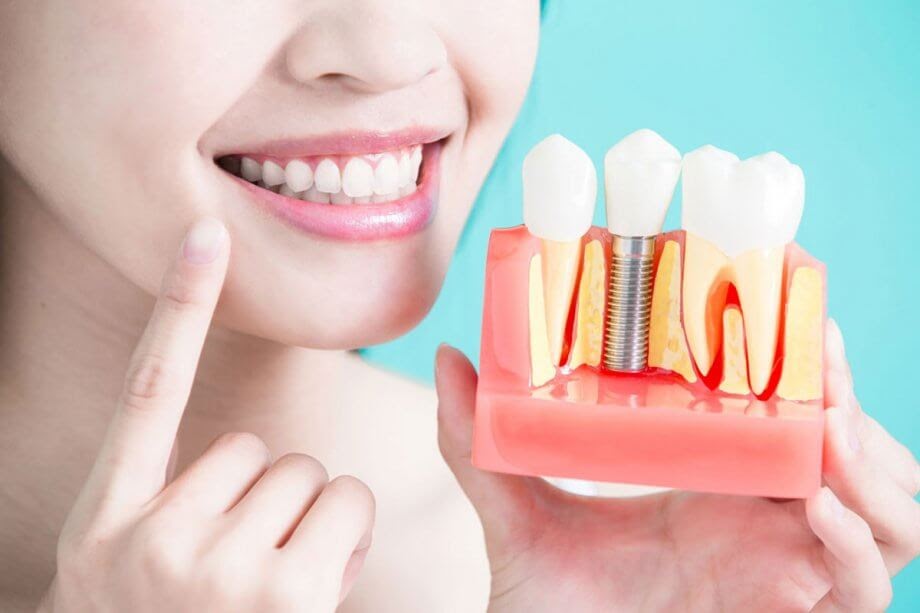
Patients often assume implants are a simple replacement for missing teeth, but experienced clinicians know that long-term success depends on careful planning long before any surgical step. In London, where patients present with a wide range of oral health histories, lifestyle factors, and cosmetic expectations, implant dentistry requires a structured and evidence-based approach. This article explains the seven priorities an implant dentist considers first, offering insight into how decisions are made and why some cases require more preparation than others. Understanding these considerations helps patients engage more confidently with their treatment plan, whether they are seeking functional restoration or advice from a cosmetic dentist London residents trust for complex cases.
Early clinical guidance often helps patients make informed decisions. A cosmetic dentist from MaryleboneSmileClinic explains that London dental implant consultations are as much about education as treatment planning, encouraging patients to understand how bone quality, gum health, and long-term maintenance affect outcomes. Readers looking for further professional information can click here via the clinic’s website to explore detailed resources on implant care and restorative dentistry.
Bone Quality and Volume Assessment
The first consideration for any implant dentist is whether the jawbone can support an implant securely. Dental implants rely on osseointegration, where bone grows tightly around the titanium fixture. Without sufficient bone volume or density, stability cannot be achieved, increasing the risk of implant failure. In London practices, clinicians frequently encounter patients who have experienced bone loss due to long-standing tooth loss, gum disease, or previous dental trauma. Advanced imaging such as cone beam CT scans allows dentists to assess bone height, width, and density with precision.
When bone is inadequate, treatment does not necessarily stop. Bone grafting or sinus lift procedures may be recommended to rebuild the supporting structure. These decisions are made early because they affect timelines, costs, and surgical complexity. Importantly, bone assessment also determines implant positioning, which influences both function and appearance. An implant placed in compromised bone may survive short term but fail under long-term biting forces. By prioritising bone quality from the outset, implant dentists aim to ensure stability that lasts for decades rather than years.
Gum Health and Periodontal Stability
Healthy gums are as critical as strong bone when planning dental implants. Periodontal disease is one of the leading causes of implant complications, particularly peri-implantitis, an inflammatory condition that can lead to bone loss around implants. Before proceeding, dentists carefully evaluate gum tissue for signs of active infection, recession, or poor oral hygiene habits. In London, where busy lifestyles sometimes delay routine dental care, untreated gum disease is a common finding during implant consultations.
Stabilising gum health often involves professional cleaning, periodontal therapy, and patient education. Implant dentists assess how well a patient can maintain oral hygiene, as implants require meticulous care. The thickness and quality of gum tissue also matter, especially in visible areas. Thin or fragile gums may recede over time, exposing metal components and affecting aesthetics. Addressing gum health first reduces surgical risks and improves long-term outcomes. It also allows dentists to predict how tissues will heal and respond after implant placement, making this assessment a cornerstone of responsible implant planning.
Bite Alignment and Functional Load
An implant must withstand significant biting forces, which vary depending on its position in the mouth. Implant dentists analyse how a patient’s teeth come together, known as occlusion, to ensure that implants are not overloaded. Misaligned bites, grinding habits, or missing opposing teeth can place excessive stress on implants, leading to mechanical failure or bone loss. This evaluation is particularly important in patients with a history of jaw discomfort or worn teeth.
Digital bite analysis and study models help dentists predict how forces will distribute across the implant and surrounding teeth. In some cases, orthodontic treatment or bite adjustment is recommended before implant placement. The aim is to create a balanced bite where implants function harmoniously with natural teeth. By considering occlusion early, dentists avoid placing implants in positions that look correct but function poorly. This functional perspective distinguishes comprehensive implant care from purely cosmetic solutions.
Overall Medical History and Lifestyle Factors
Implant dentistry does not exist in isolation from general health. Dentists review medical history carefully, paying attention to conditions such as diabetes, osteoporosis, and autoimmune disorders, which can affect healing. Medications, particularly bisphosphonates or immunosuppressants, may influence bone metabolism and infection risk. Smoking status is another critical factor, as tobacco use significantly reduces implant success rates by impairing blood flow and healing.
Lifestyle considerations also extend to stress levels and parafunctional habits like clenching or grinding. These behaviours can compromise implant stability over time. Rather than excluding patients outright, implant dentists use this information to tailor treatment plans, adjust timelines, and manage expectations. In London practices, where patient demographics are diverse, this personalised assessment ensures that implants are placed only when conditions support predictable healing and long-term success.
Aesthetic Goals and Facial Balance
While implants restore function, aesthetics remain a key consideration, particularly for teeth visible when speaking or smiling. Implant dentists evaluate how the replacement tooth will integrate with facial features, lip support, and neighbouring teeth. This assessment includes tooth colour, shape, and emergence profile, which describes how the crown appears to grow naturally from the gum. Poor aesthetic planning can result in implants that function well but look artificial.
Photographs, digital smile design, and temporary restorations help dentists visualise outcomes before surgery. This stage is where restorative and surgical planning intersect. In London, many patients seek implant treatment alongside cosmetic improvements, making aesthetic integration essential. A cosmetic dentist London patients consult for smile enhancement often collaborates closely with implant specialists to achieve results that appear natural rather than over-engineered. By addressing aesthetics early, dentists ensure that implants contribute positively to overall facial harmony.
Timing and Treatment Sequencing
The timing of implant placement is another major decision. Implants can be placed immediately after tooth extraction or delayed until healing has occurred. Each approach has advantages and risks, depending on infection presence, bone condition, and aesthetic demands. Immediate placement may shorten treatment time but requires precise execution and favourable conditions. Delayed placement allows for healing but may involve additional procedures to preserve bone and gum contours.
Treatment sequencing also considers temporary solutions, such as provisional dentures or bridges, to maintain function and appearance during healing. Implant dentists plan these stages carefully to minimise disruption to daily life. In complex cases involving multiple implants, phased treatment may be recommended to manage risk. This structured approach reflects a focus on predictability rather than speed, ensuring that each stage supports the next.
Long-Term Maintenance and Patient Commitment
The final consideration is often the most overlooked: long-term maintenance. Dental implants require regular professional monitoring and diligent home care. Implant dentists assess whether patients understand this commitment and are prepared to attend follow-up appointments. Maintenance plans include professional cleaning around implants, monitoring bone levels, and managing wear on implant-supported crowns.
Education plays a significant role at this stage. Patients are advised on cleaning techniques, interdental aids, and the importance of routine check-ups. In London practices, where patients may travel frequently or have demanding schedules, realistic maintenance planning is essential. An implant is not a fit-and-forget solution; its longevity depends on ongoing care. By addressing maintenance expectations early, dentists help patients protect their investment and avoid preventable complications over time.
Dental implants succeed when planning is thorough and patient-specific. By considering bone, gums, function, health, aesthetics, timing, and maintenance from the outset, implant dentists create treatment plans designed for durability rather than short-term fixes. This comprehensive approach explains why implant dentistry remains one of the most carefully evaluated procedures in modern dental care.
