

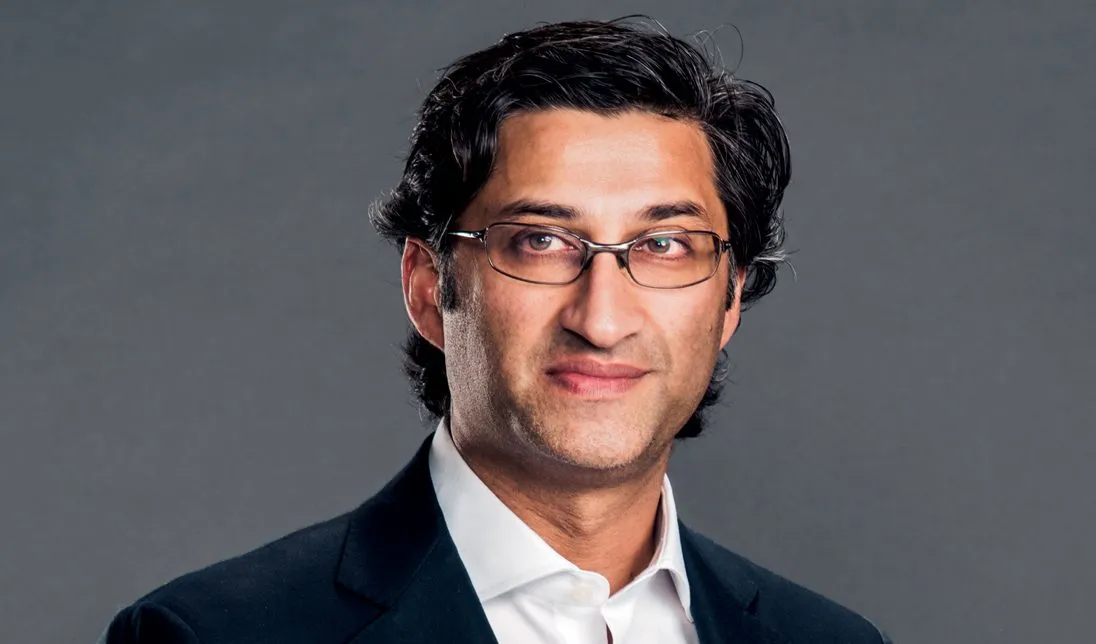
Asif Kapadia’s approach to filmmaking hinges on the act of retrieval. Through archival editing, he crafts emotionally resonant narratives from material that already exists—television interviews, home footage, press conferences, and candid recordings. This technique has come to define his unique contribution to nonfiction cinema, with films like Senna, Amy, and Diego Maradona demonstrating how the past can be reconstructed not merely to inform, but to immerse. For Kapadia, editing is not a post-production step—it is the narrative core.
In Senna, this philosophy is apparent from the first frame. There is no narration, no present-day analysis. Instead, the film draws from race footage, family videos, and radio transmissions to tell the story of a driver who became a national symbol. Kapadia and his editing team sifted through over 15,000 hours of archival footage to find moments that captured not just events, but emotional truths. The result is a fluid narrative that feels as immediate as it does reflective, a cinematic experience grounded in reality but elevated by rhythm and structure.
The editing process for Amy introduced additional complexities. Unlike Senna, Amy Winehouse left behind a vast amount of public and private documentation. Tabloid clips, backstage videos, studio recordings, and voicemail messages were all used to illustrate how her image was constructed and consumed. Kapadia resisted the urge to structure the film chronologically, instead creating thematic segments built around emotional escalation. Key moments—such as the release of Back to Black or her Grammy win—are framed not as milestones but as turning points in an unfolding psychological arc. The editorial strategy allows the audience to feel Amy’s ascent and unraveling without exposition.
Diego Maradona posed a different challenge: the excess of footage and the contradictions within it. With over 500 hours of raw material, Kapadia’s team confronted a man who was both myth and mortal. The film does not shy away from complexity—it layers triumph with scandal, faith with disillusionment. By drawing on a variety of formats and sources, including television interviews, family films, and news footage, the documentary allows multiple versions of Maradona to coexist. The editing does not seek to reconcile them but to make their simultaneity intelligible. In doing so, Kapadia resists the simplification often inherent in celebrity profiles.
Integral to this method is the idea that image and sound can produce meaning independently of commentary. Kapadia often juxtaposes footage with no accompanying explanation, trusting the viewer to detect subtext through tone, timing, or sequence. A smile that lingers too long, a look of hesitation during an interview, a change in vocal timbre—these subtleties are preserved and highlighted in the edit. This level of attention not only enhances character development but also underscores the emotional stakes of each scene.
Kapadia’s editorial choices are deeply collaborative. He works closely with his editors over long periods, shaping the narrative in stages. Sound design is integrated early in the process, helping to shape mood and rhythm before the final picture is locked. This iterative method allows for discovery, as unexpected connections between moments emerge during assembly. Rather than enforcing a thesis from the outset, Kapadia lets the material guide the form. This openness ensures that each film retains a sense of discovery, for both the creators and the audience.
At a time when archival media is abundant but often underutilized, Kapadia’s films stand as examples of how thoughtful editing can revitalize familiar stories. His documentaries do not aim to reconstruct events with forensic precision but to evoke the lived experience of his subjects. By reshaping fragments of the past into coherent emotional narratives, Kapadia transforms archival material into something greater than the sum of its parts. His editorial vision proves that even in the absence of direct testimony, truth can still be heard—and deeply felt.
